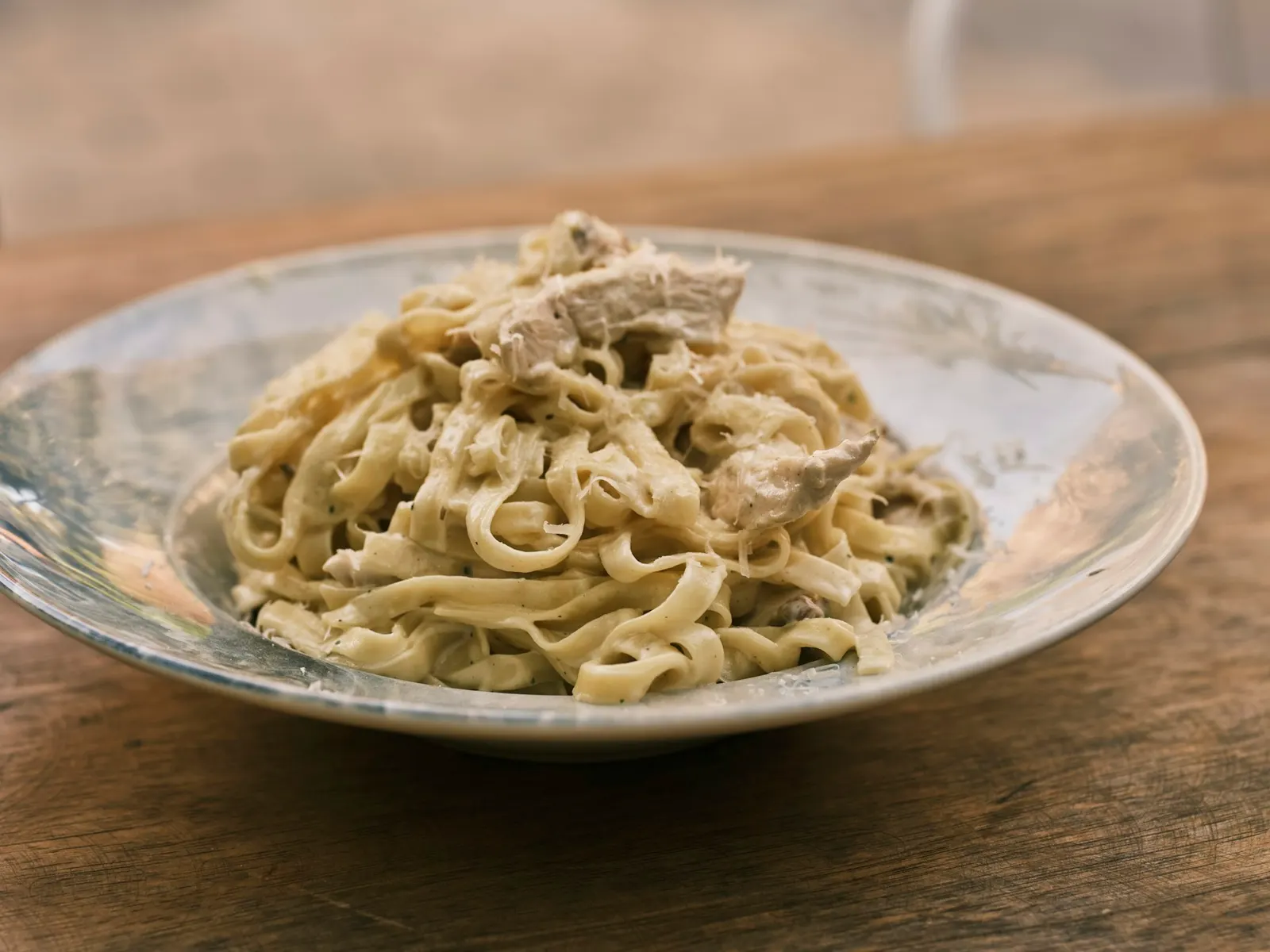
Chicken Cottage Cheese Alfredo
530 cal, 30 min
High-protein cottage cheese recipes: flatbread, egg bites, pancakes, cheesecake cups and cookie dough. Blended smooth, no curds.
14 recipes, sorted by protein per serving.
530 cal, 30 min
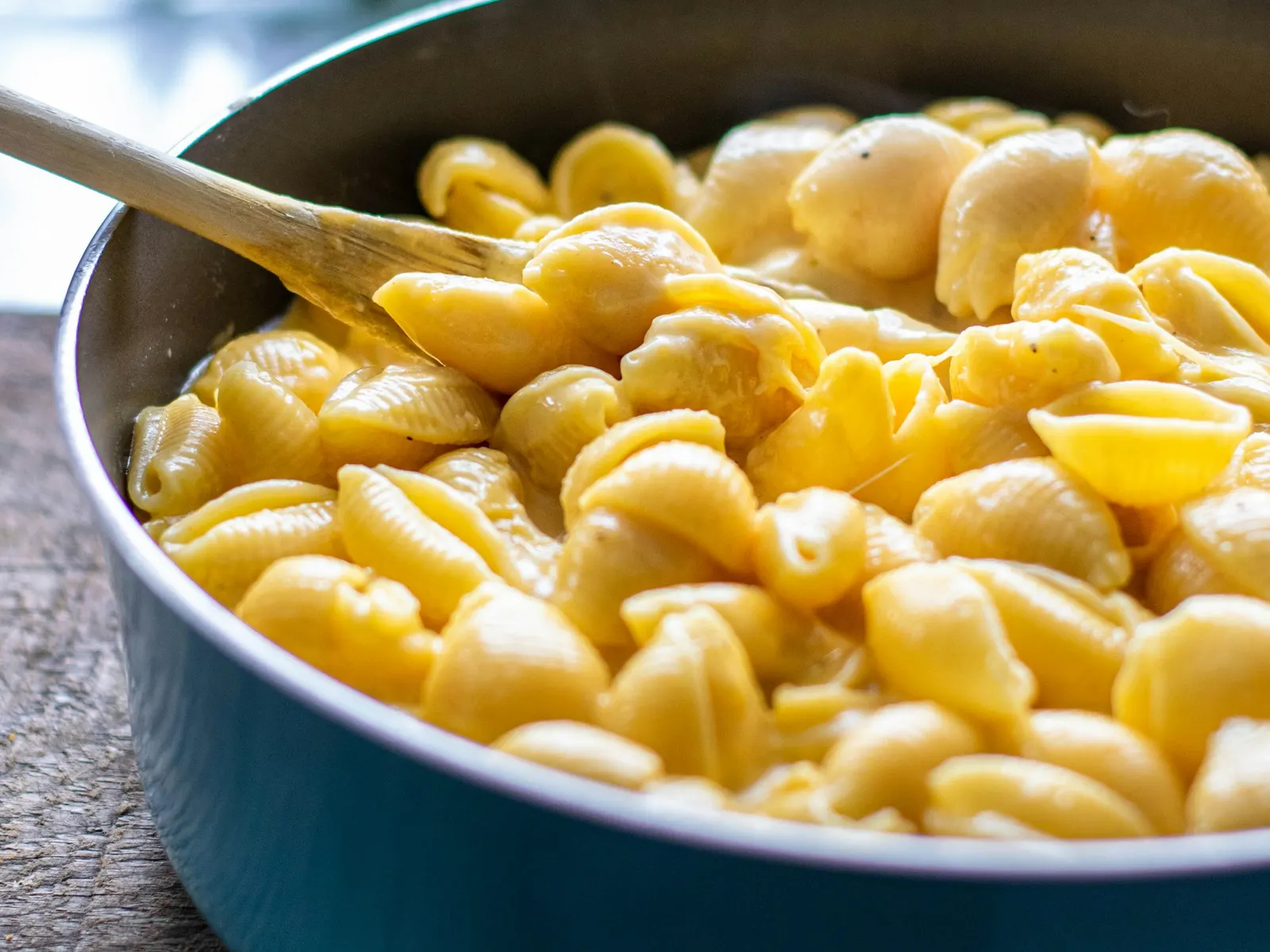
409 cal, 20 min
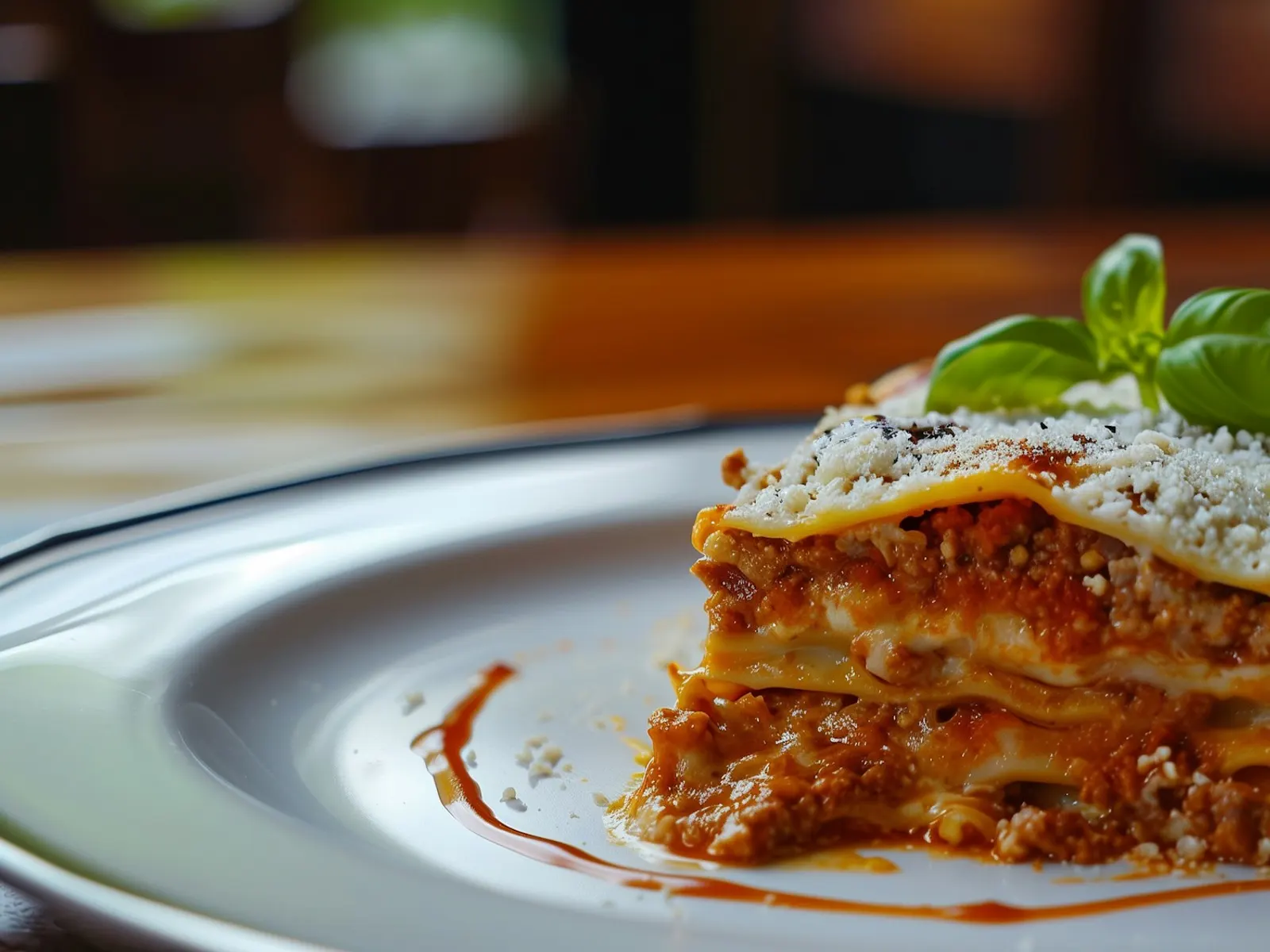
372 cal, 75 min
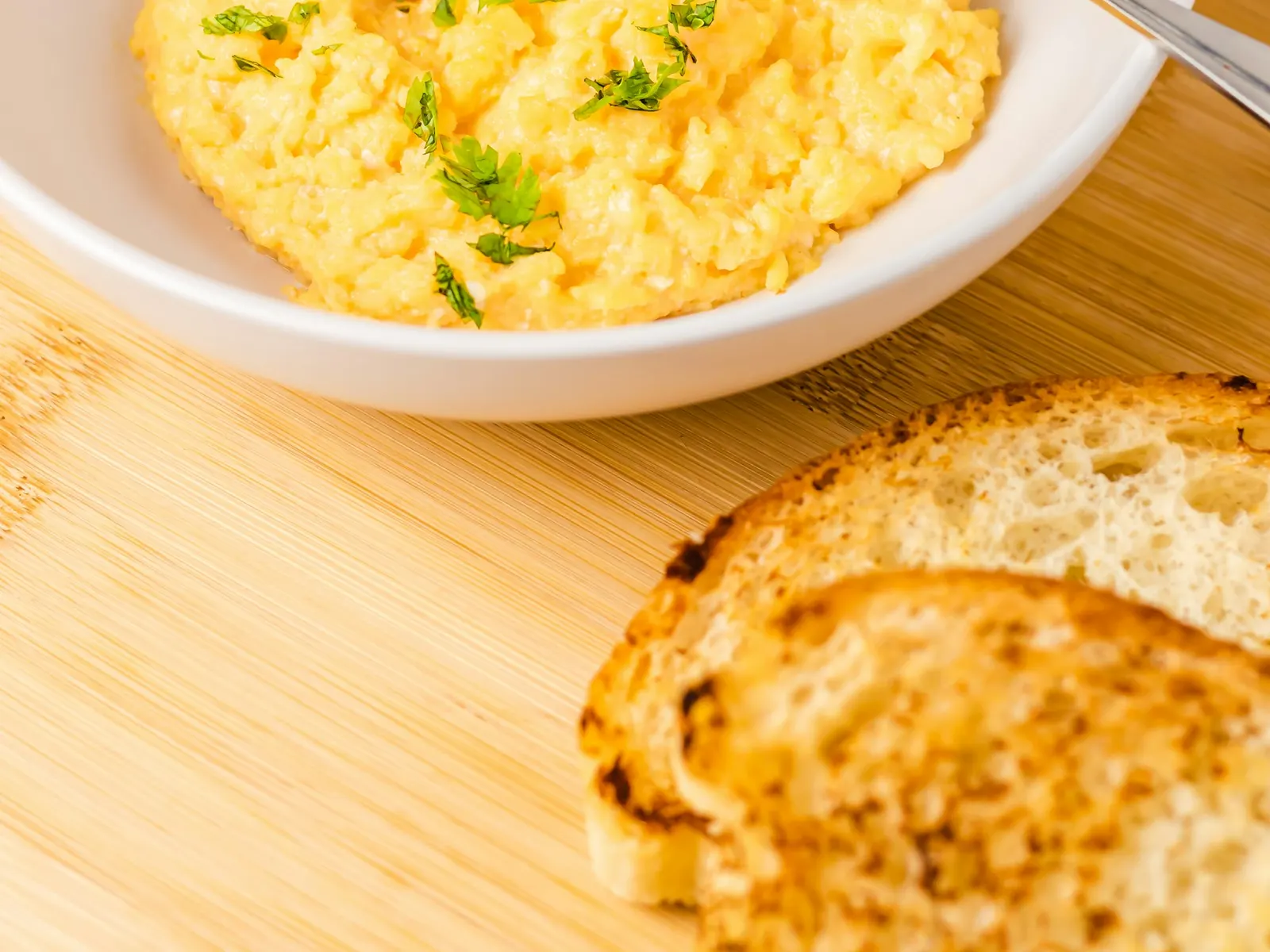
296 cal, 6 min
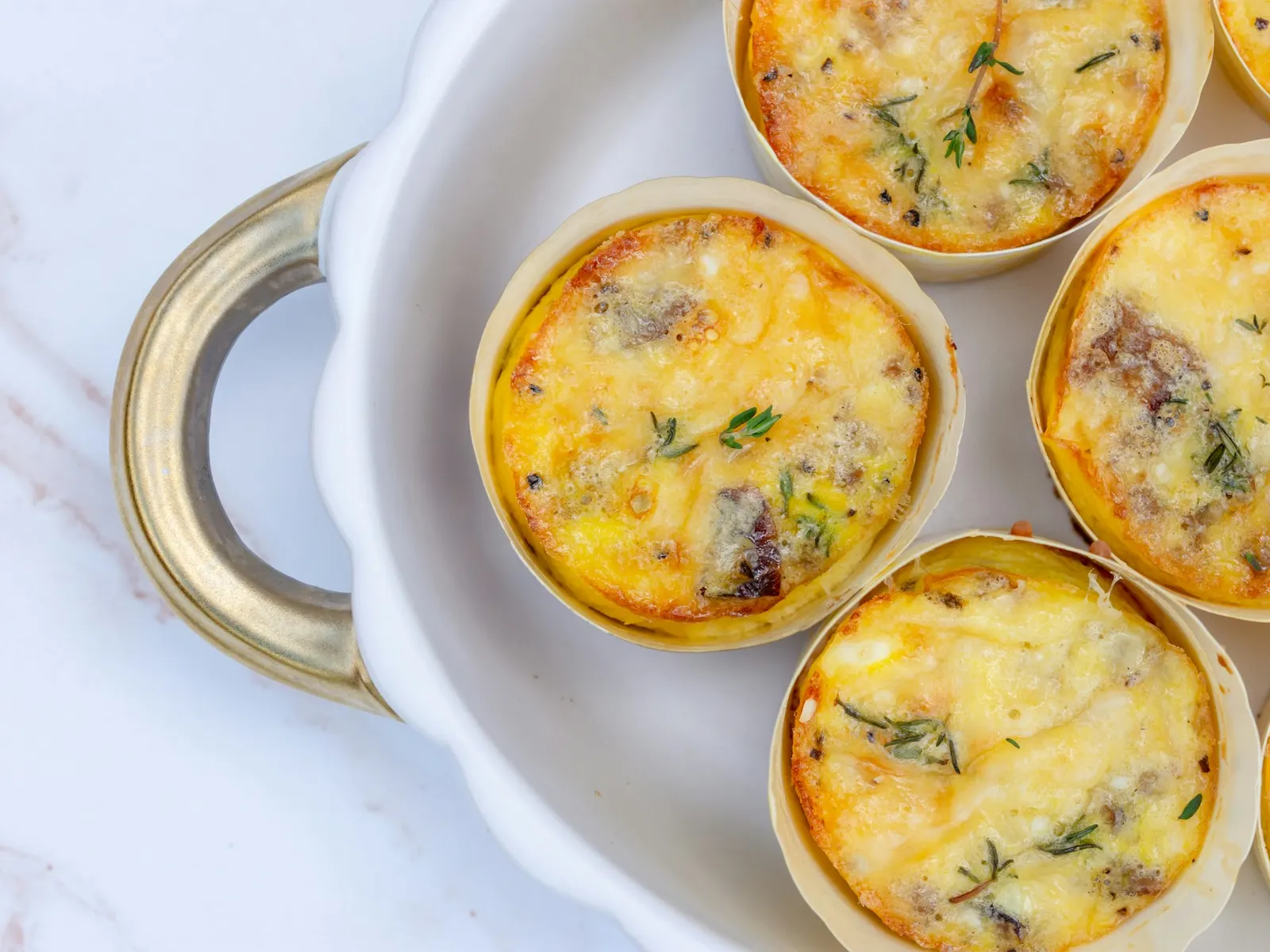
255 cal, 43 min
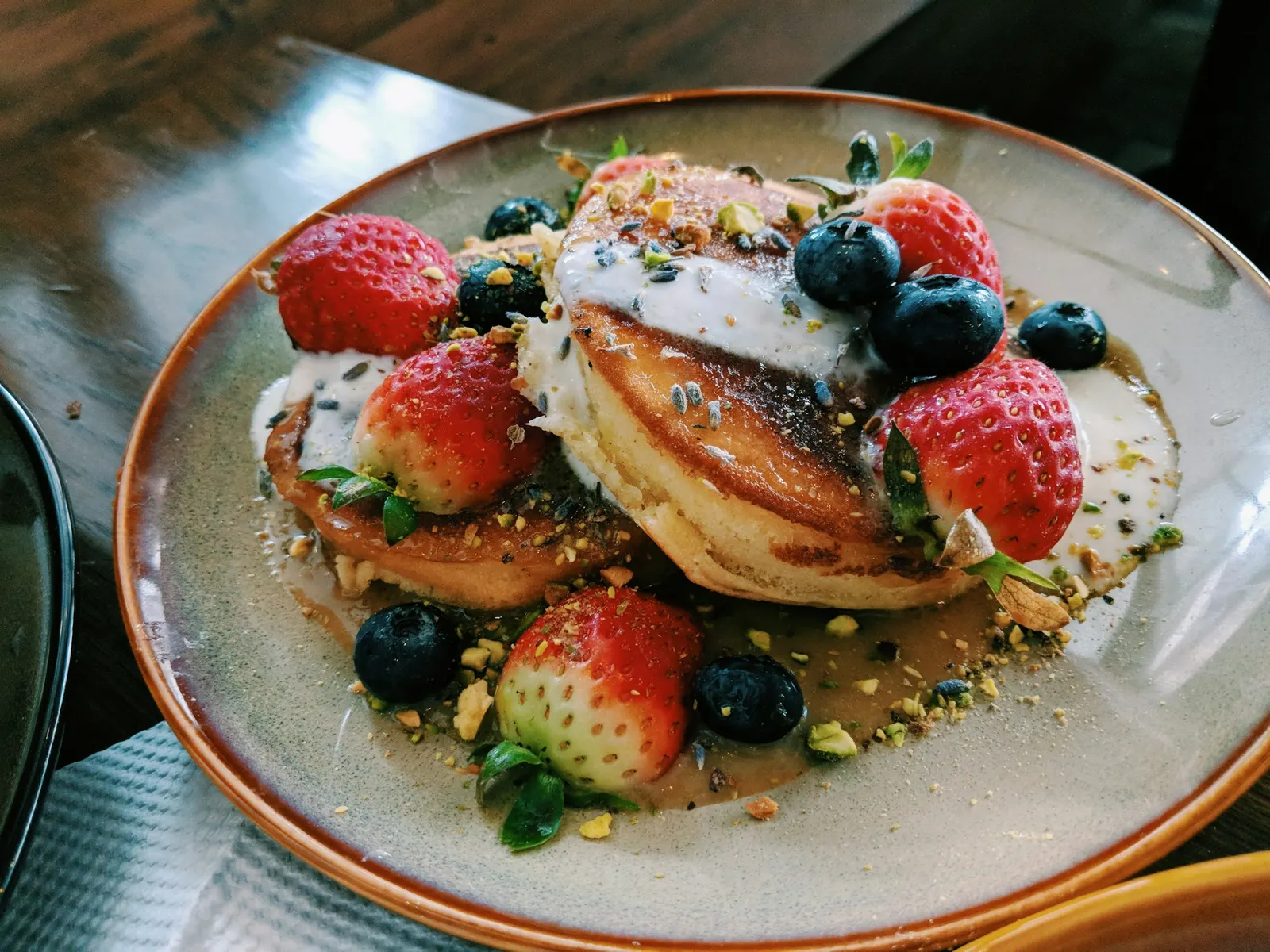
275 cal, 17 min
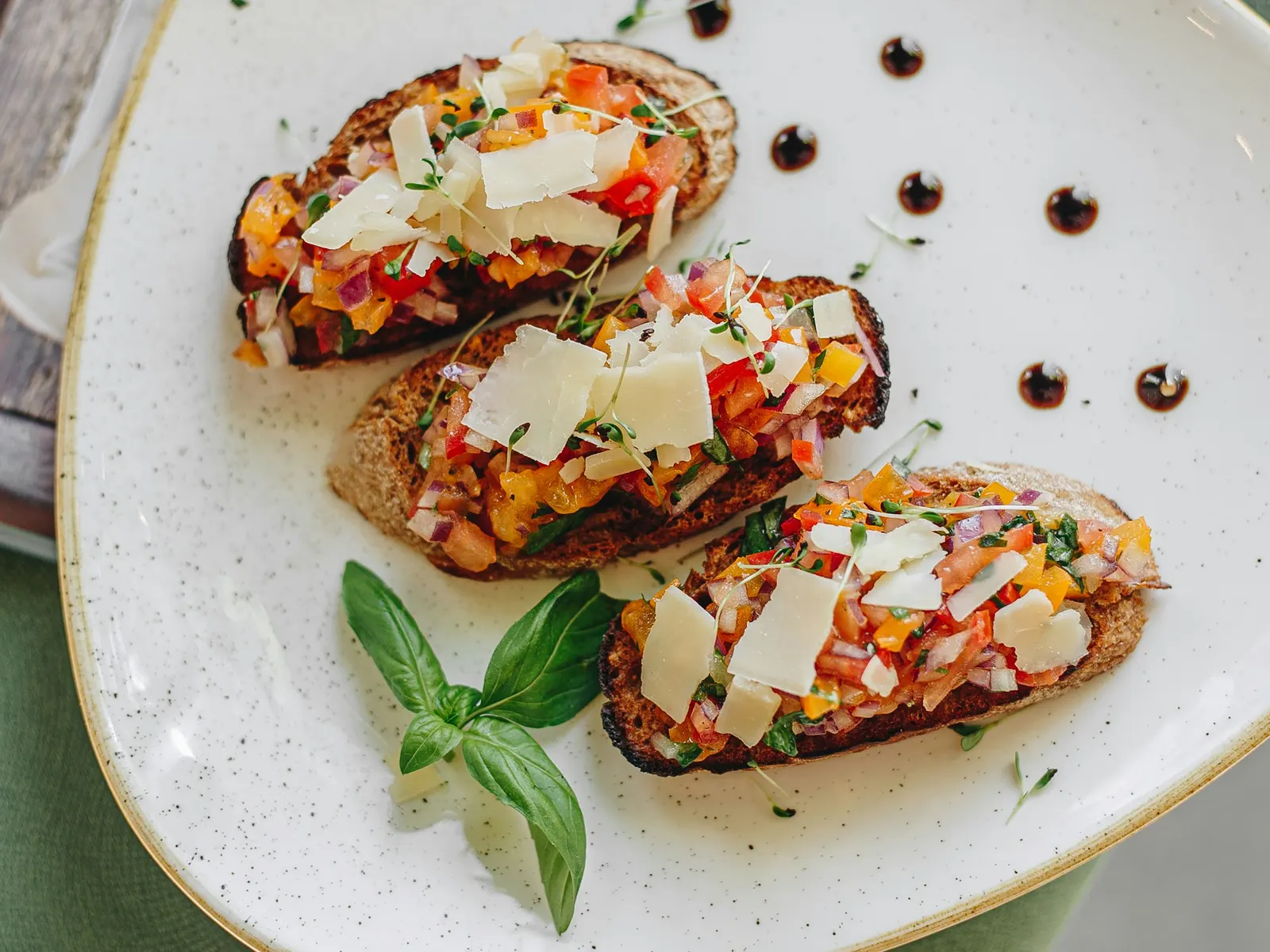
310 cal, 7 min
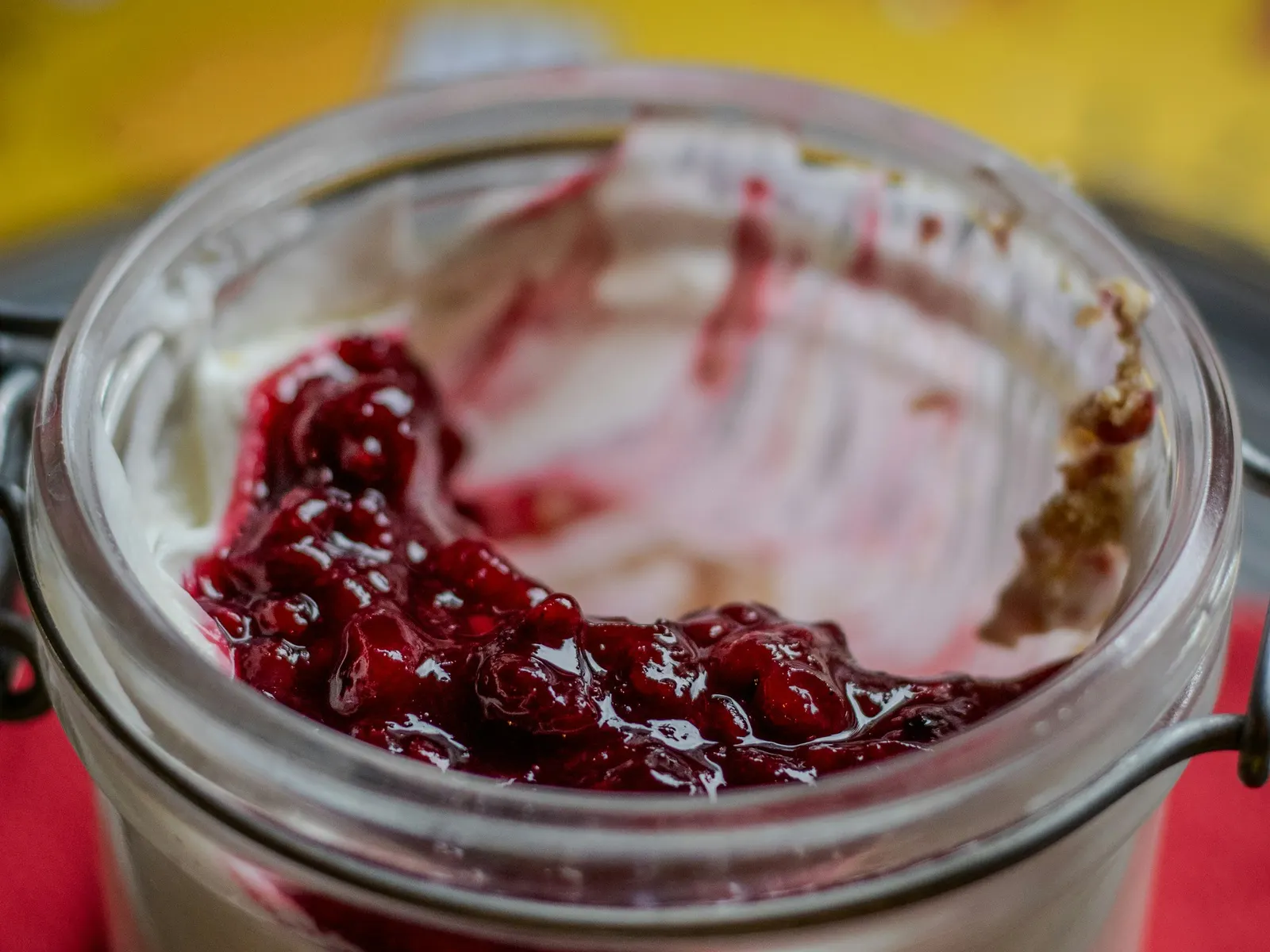
251 cal, 15 min
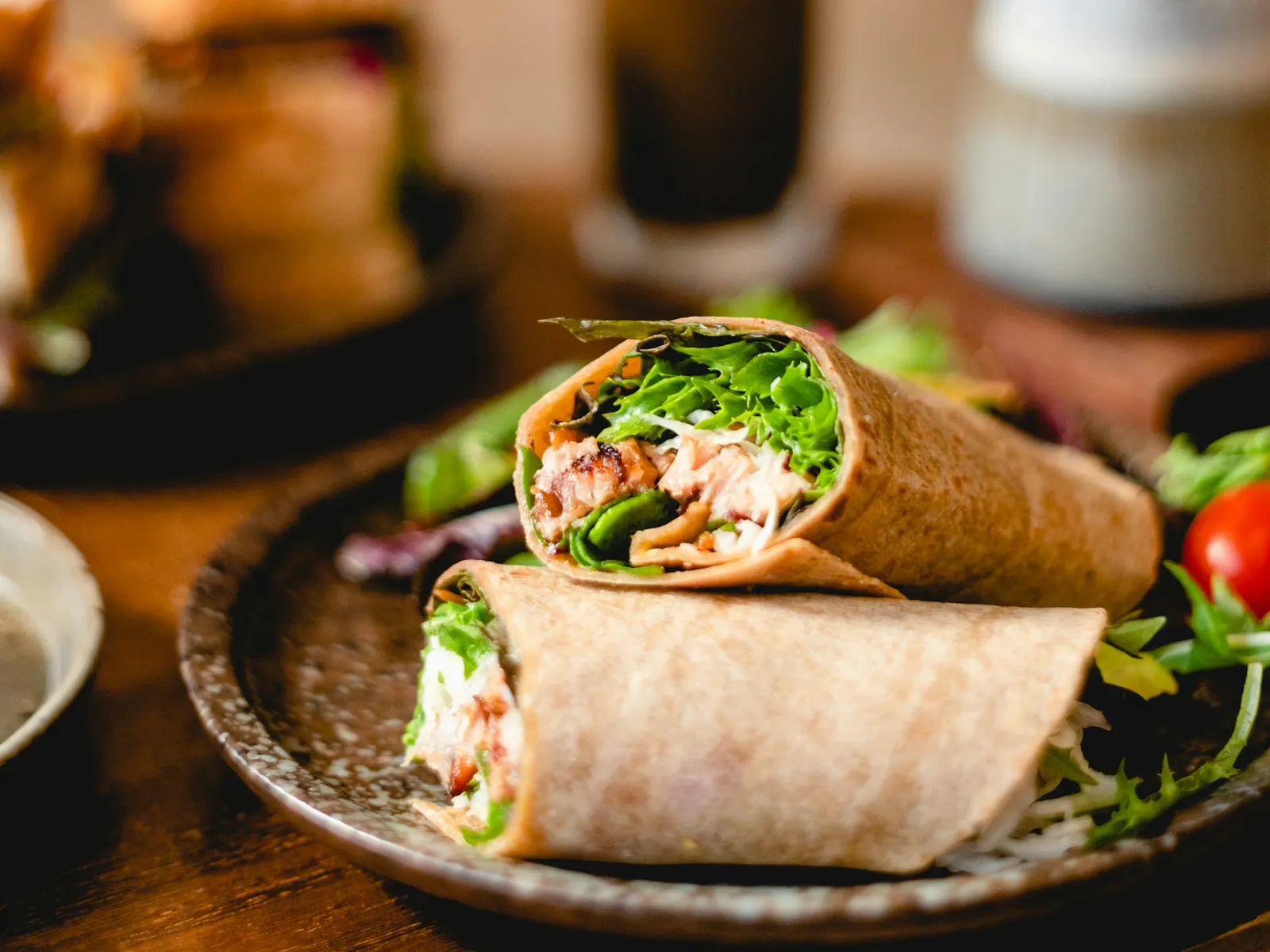
166 cal, 40 min
213 cal, 10 min
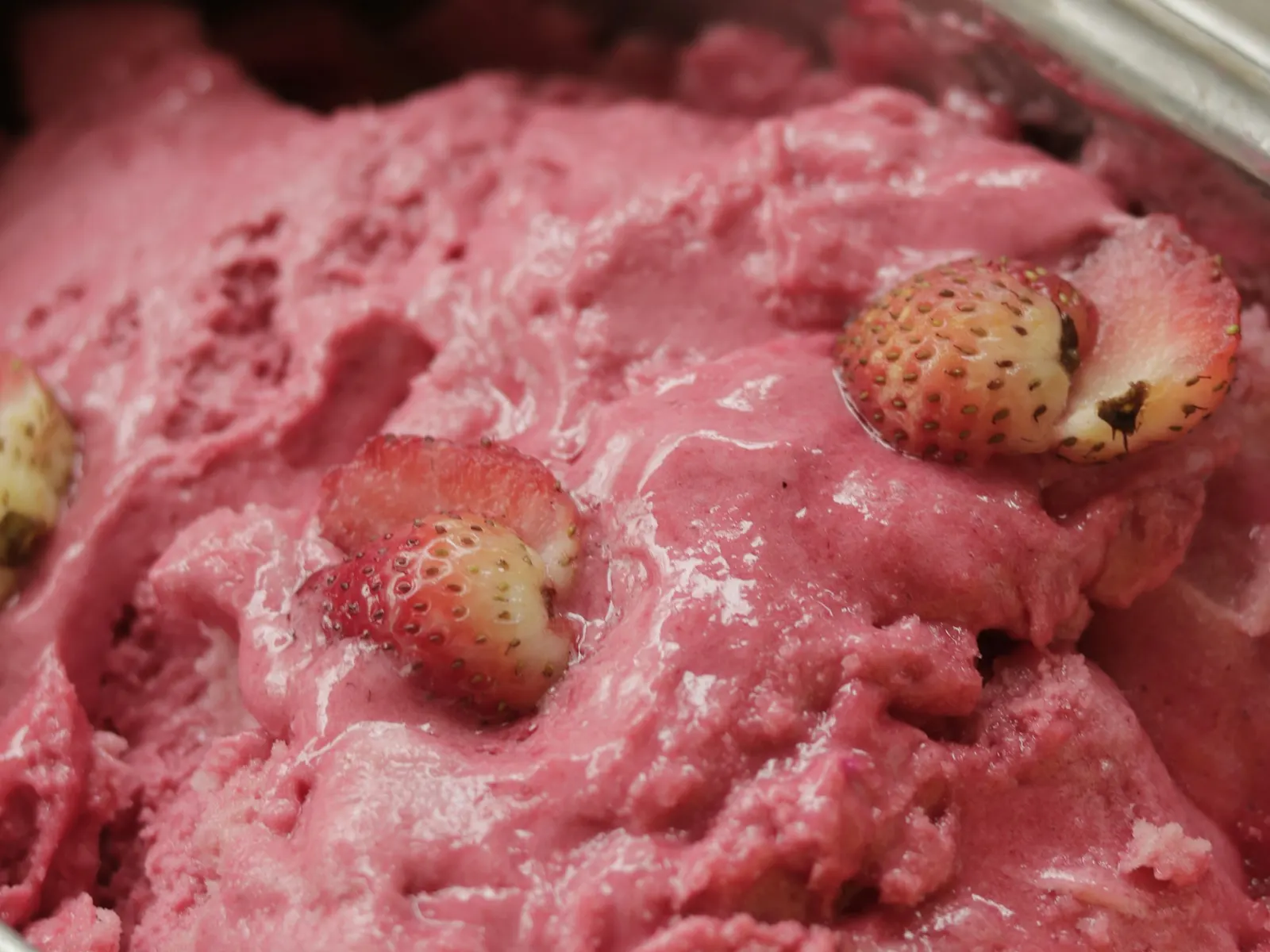
143 cal, 10 min
95 cal, 40 min

114 cal, 8 min
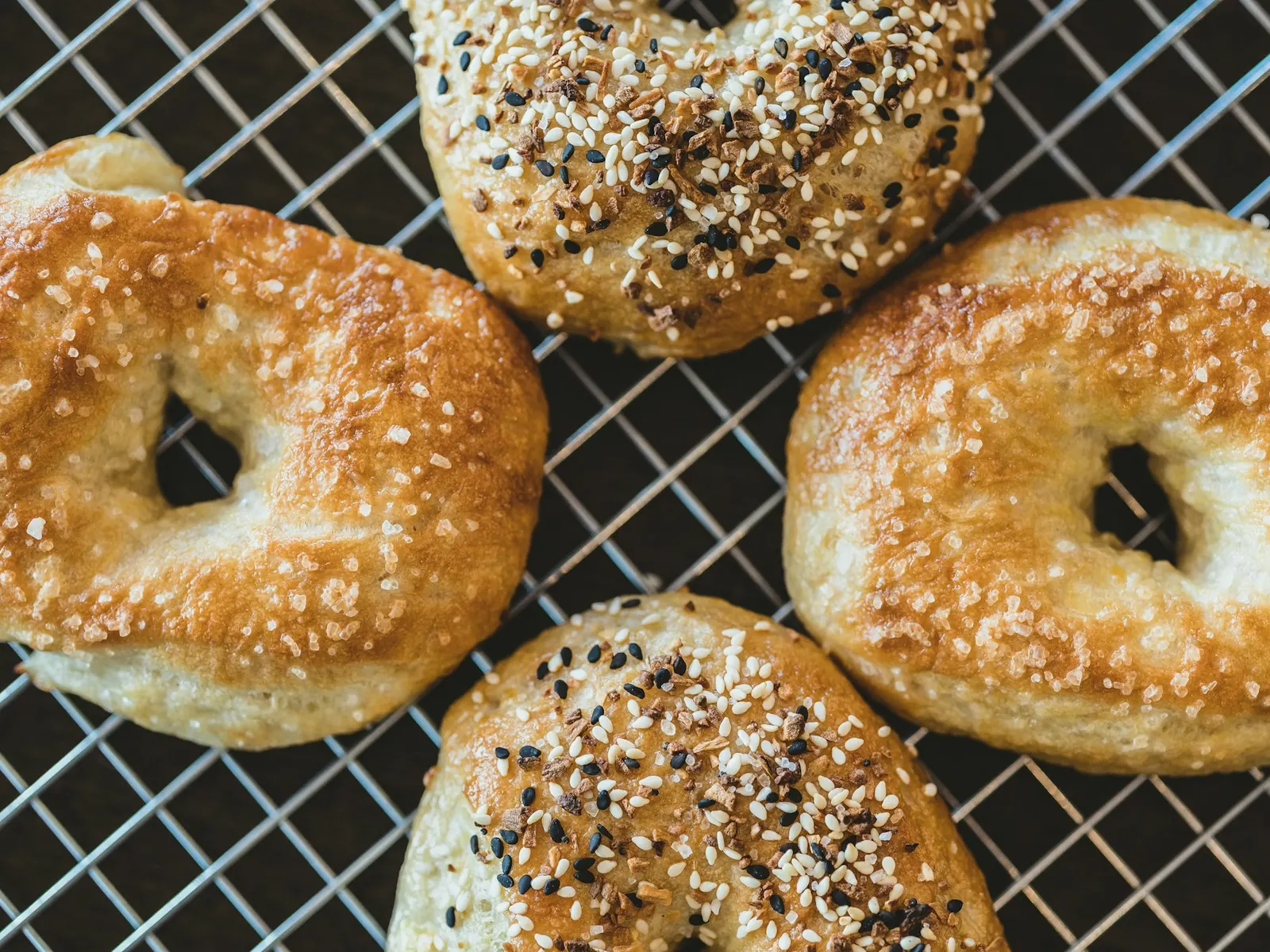
176 cal, 35 min
Cottage cheese is one of the cheapest, most protein-dense foods in the grocery store, with about 25 grams of protein per cup. The catch for many people is the texture. Almost every recipe here solves that by blending it smooth first, which turns it into a neutral, creamy base for breakfasts, wraps and desserts.
Check the label: sodium varies a lot between brands, from about 300 to 900 mg per cup. Small-curd blends a little smoother, but any curd size works once it goes in the blender.
A cup of 2% cottage cheese has about 25 grams of protein, 190 calories and a good amount of calcium. Most of its protein is casein, which digests slowly and helps keep you full. Sodium varies widely by brand, so compare labels if you eat it daily.
About 25 grams per cup (225 g) of 2% cottage cheese, according to USDA data. That is more than four large eggs.
Blend it in a blender or food processor for 60 to 90 seconds, scraping down the sides, until no curds remain.
2% or 4% (full-fat) cottage cheese blends creamiest. Nonfat works but can taste lean and slightly chalky in desserts.
Yes, in lasagna, stuffed shells, pancakes and dips. Blend it for 30 seconds for a smooth, ricotta-like texture. It has about twice the protein.
Not when it is blended and cooked or sweetened. It becomes a neutral, creamy base, which is why it works in pancakes, ice cream and alfredo sauce.
Greek yogurt or ricotta. Greek yogurt keeps the protein high; ricotta is richer and milder.